A screen-free activity works best when it is easy to begin, satisfying to finish and realistic for the time and materials a family already has. Understand the skills behind a simple page. The goal is not to fill every minute. It is to give a child one clear invitation, enough time to try, and an easy stopping point.
Make the activity fit the child
Treat the activity as practice rather than a test. Watch how the child approaches the task, then adjust the difficulty, time or materials without turning a mistake into a failure.
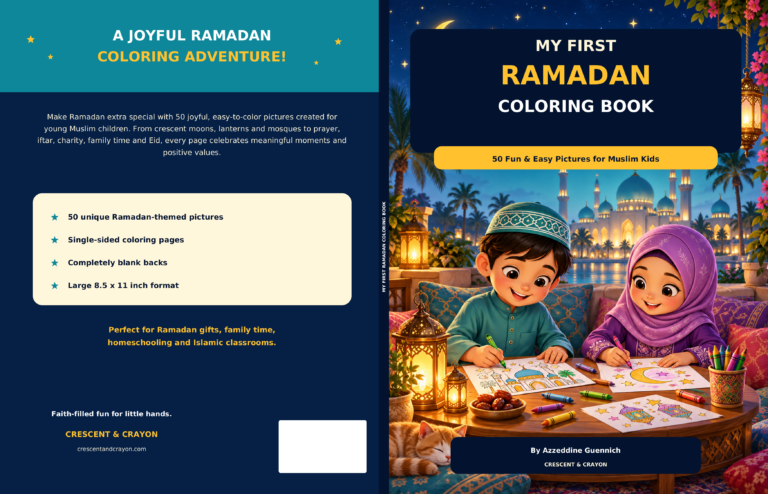
Related resource: My First Ramadan Coloring Book
A practical way to begin
- Grip and release. Prepare this before the child begins so the first instruction stays simple.
- Wrist stability. Model it once, then give the child room to try in their own way.
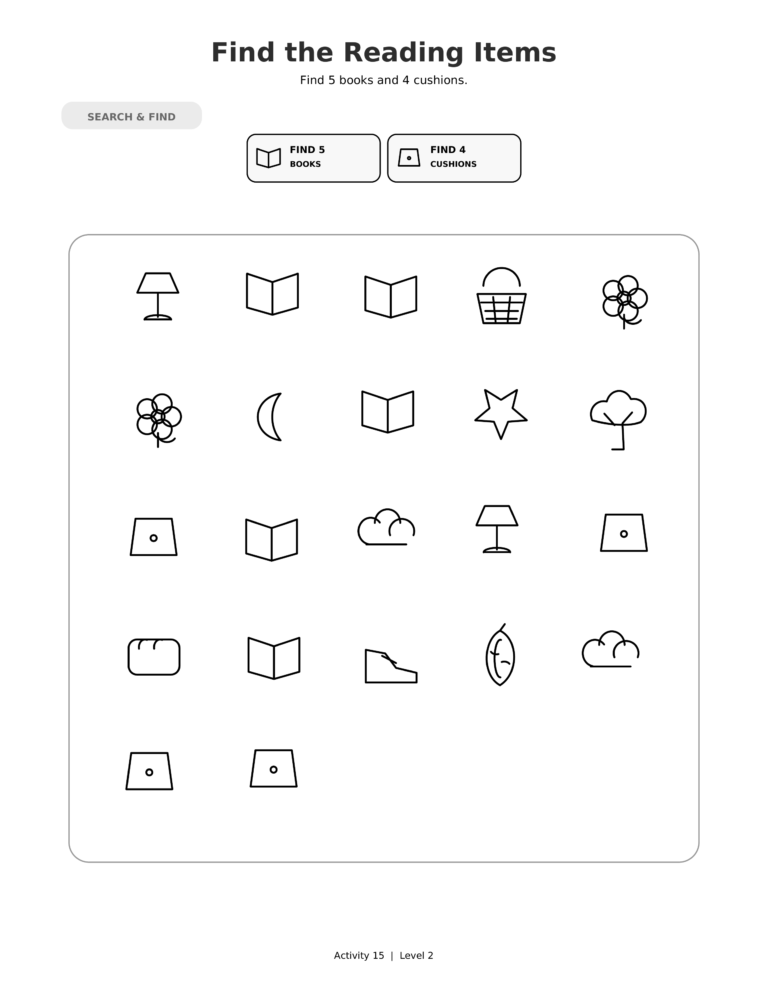
- Bilateral coordination. Use clear, recognizable materials and check that the task says exactly what it means.
- Boundary awareness. Adjust the number of choices or the time if attention begins to fade.
- Page turning. Finish with a quick tidy or conversation so the activity has a clear ending.
Keep it accurate and comfortable
Screen-free time is not a competition or punishment. The aim is to widen the child’s options and make transitions more predictable.
What to do next
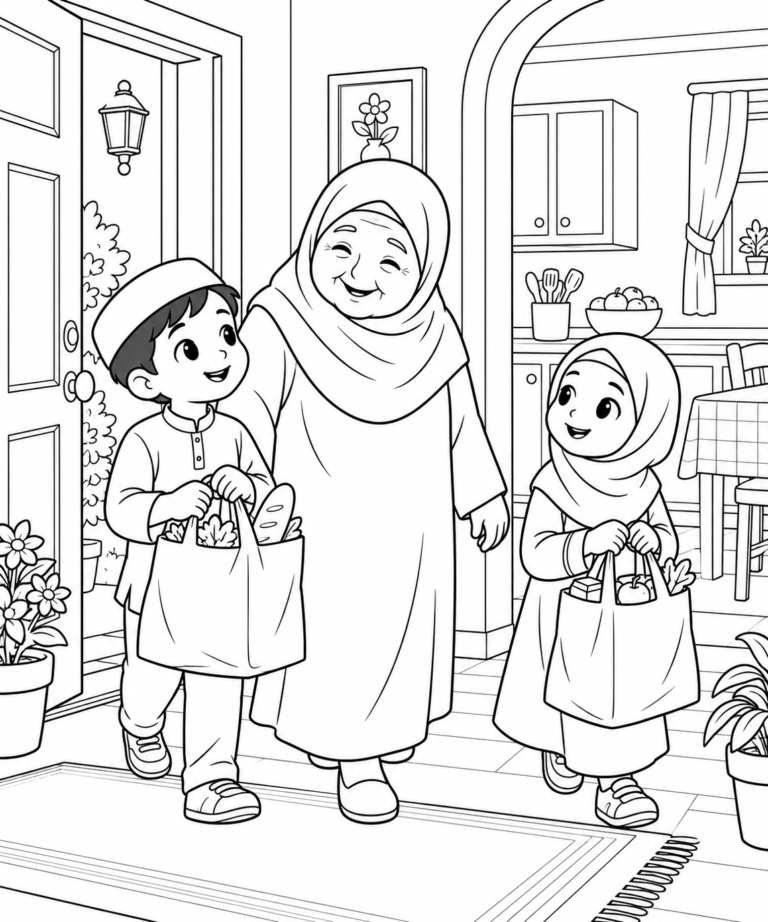
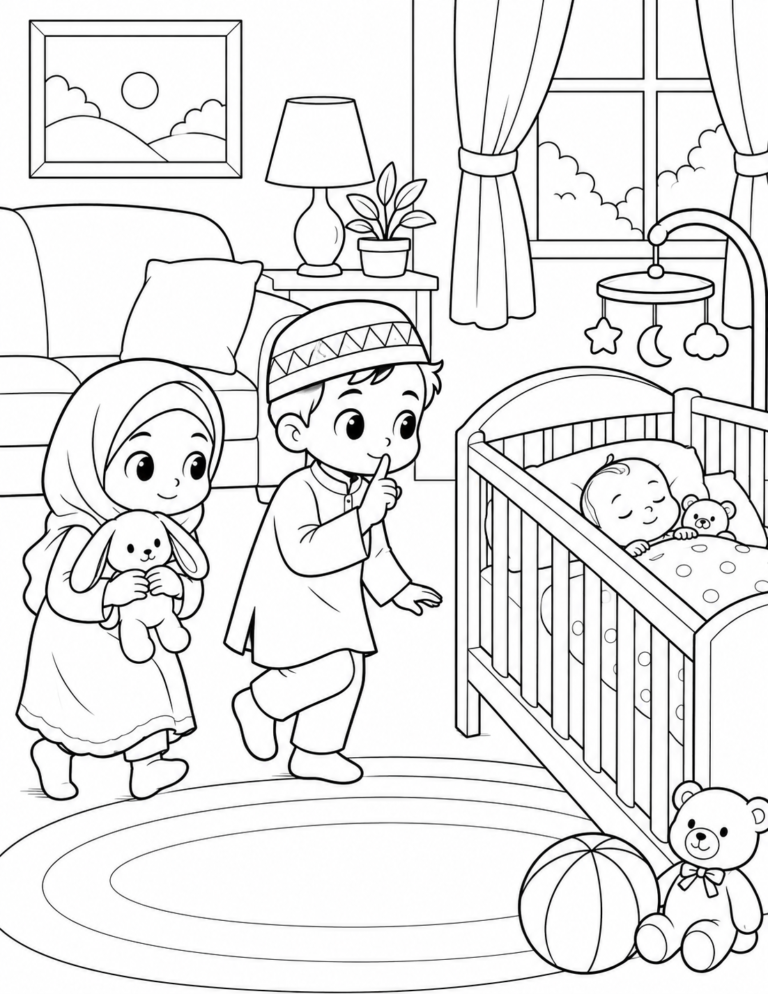
Start with one idea and notice what the child can do independently. Repeat what works, simplify what does not, and keep the experience warm. Browse the My First Islamic Coloring Books series for simple activities made for little hands.
FAQ
How long should the activity last?
For many children ages 4 to 8, ten to twenty focused minutes is enough. Stop earlier if the child is tired or frustrated, and continue later if they ask.
What if the activity is too difficult?
Reduce the number of choices, model one example or complete the first small step together. Support should make the next attempt clearer, not take the activity away from the child.